
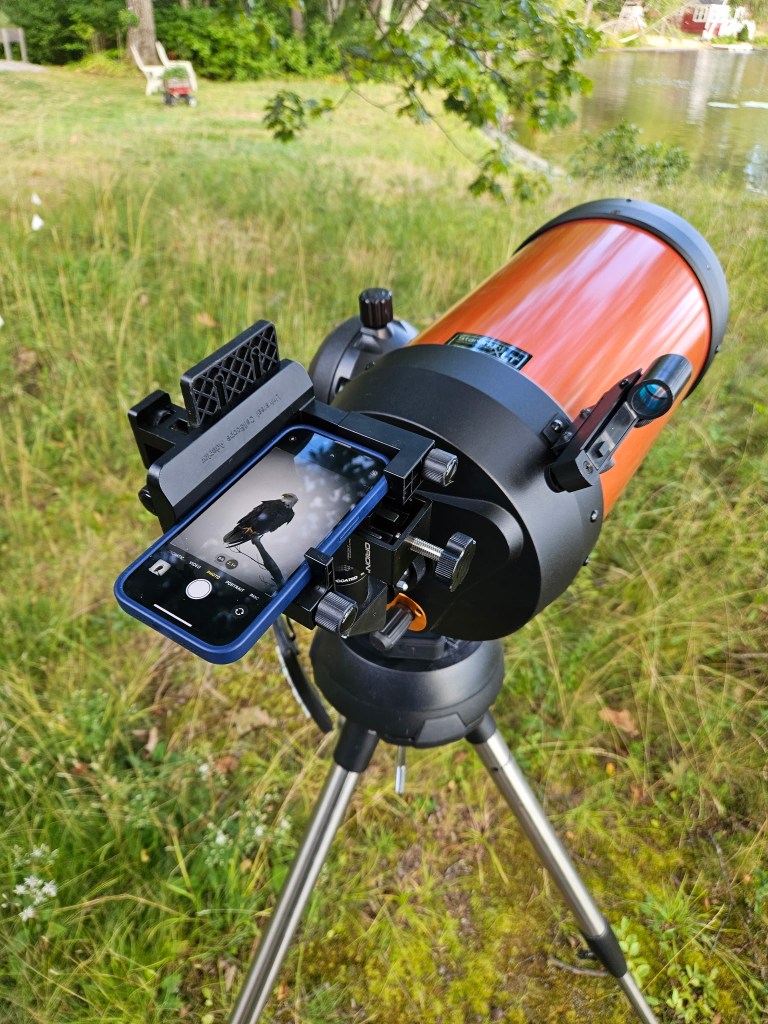

For a while now, I’ve been doing astronomy using a portable Celestron NexStar 8SE computerized Newtonian telescope (link) from my home base in Westford, Massachusetts, right by Long Sought For Pond. The location offers clear skies on good nights and a peaceful setting for observation.
All of the photos I’ve taken were captured with an iPhone mount attached to the telescope, using either my iPhone XS or iPhone 14. This simple setup has made it easy to document both astronomical and wildlife observations.
As a kid, I attended public astronomy nights at the Clay Center Observatory in Brookline, Massachusetts, and I’ve always wanted to replicate some of those views with my own (much smaller) telescope.
Over time, I’ve managed to capture some of my favorite celestial sights:
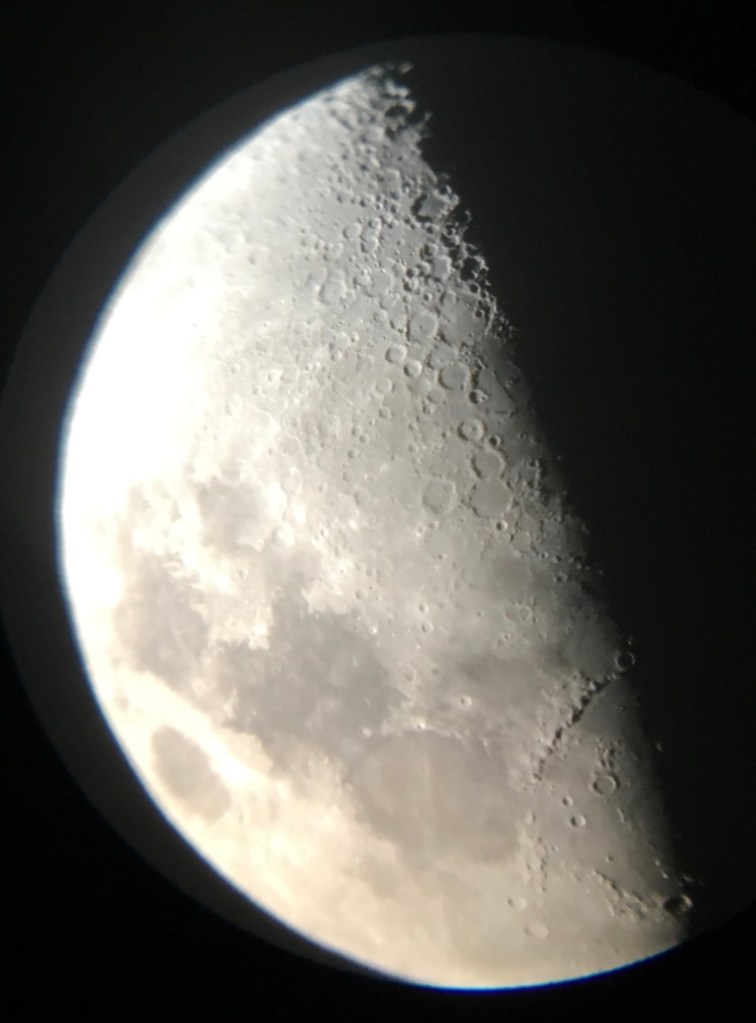
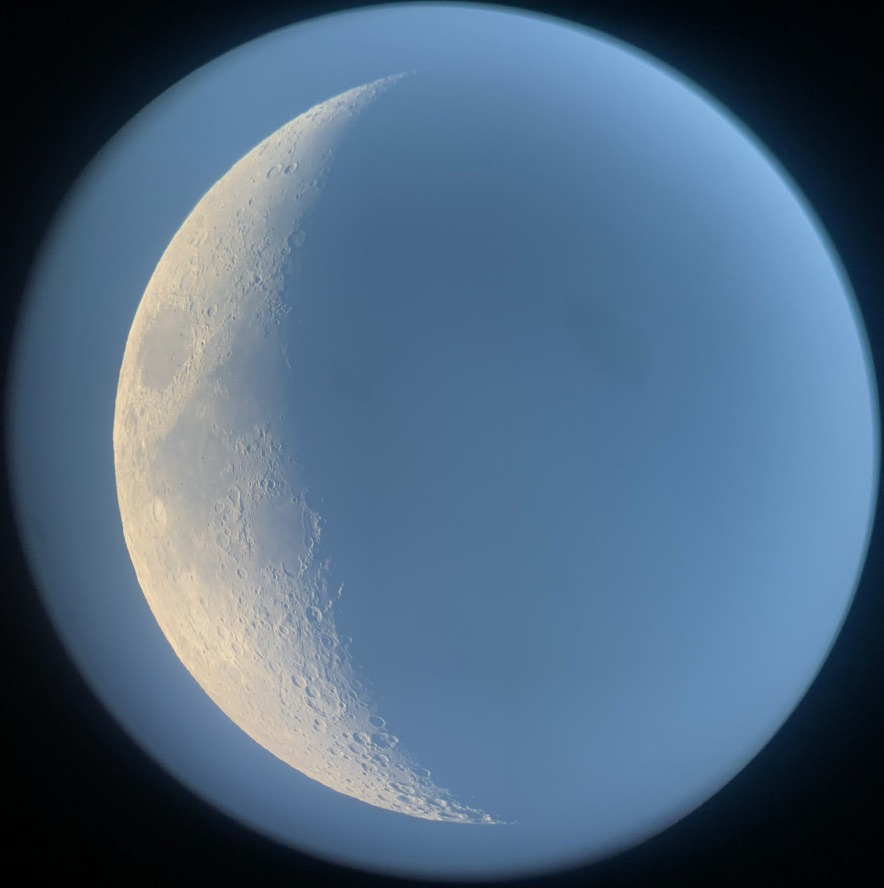
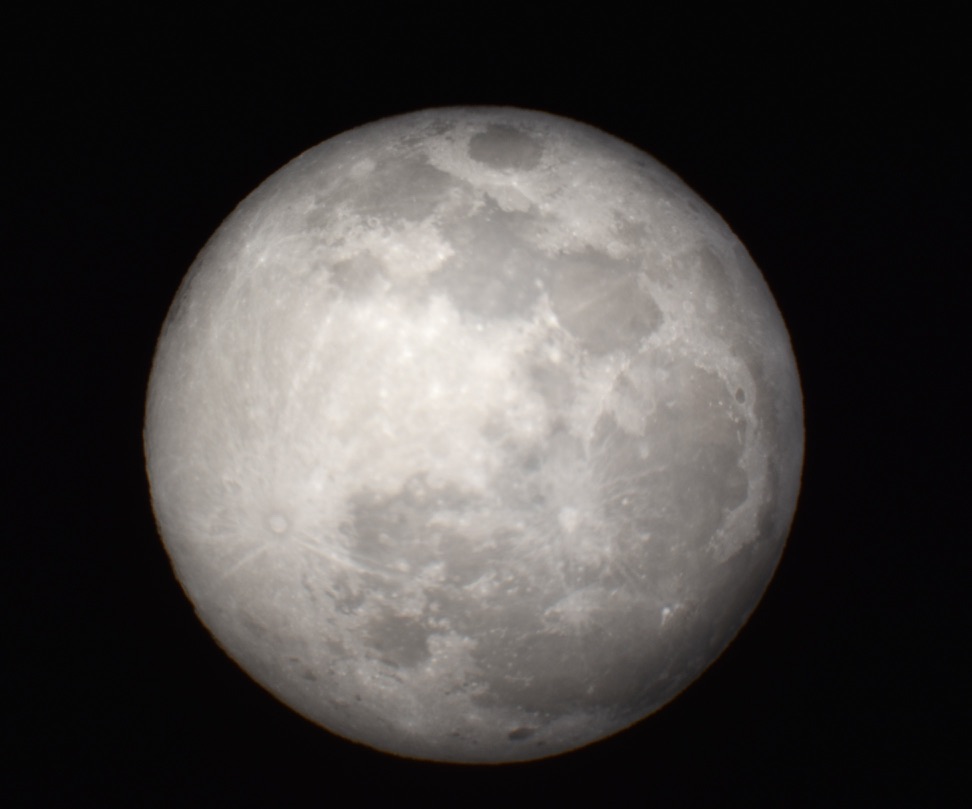
- The Moon — in various phases, from crescent to full, with craters and maria clearly visible.
- Saturn — with its rings distinctly outlined, a sight that never gets old.
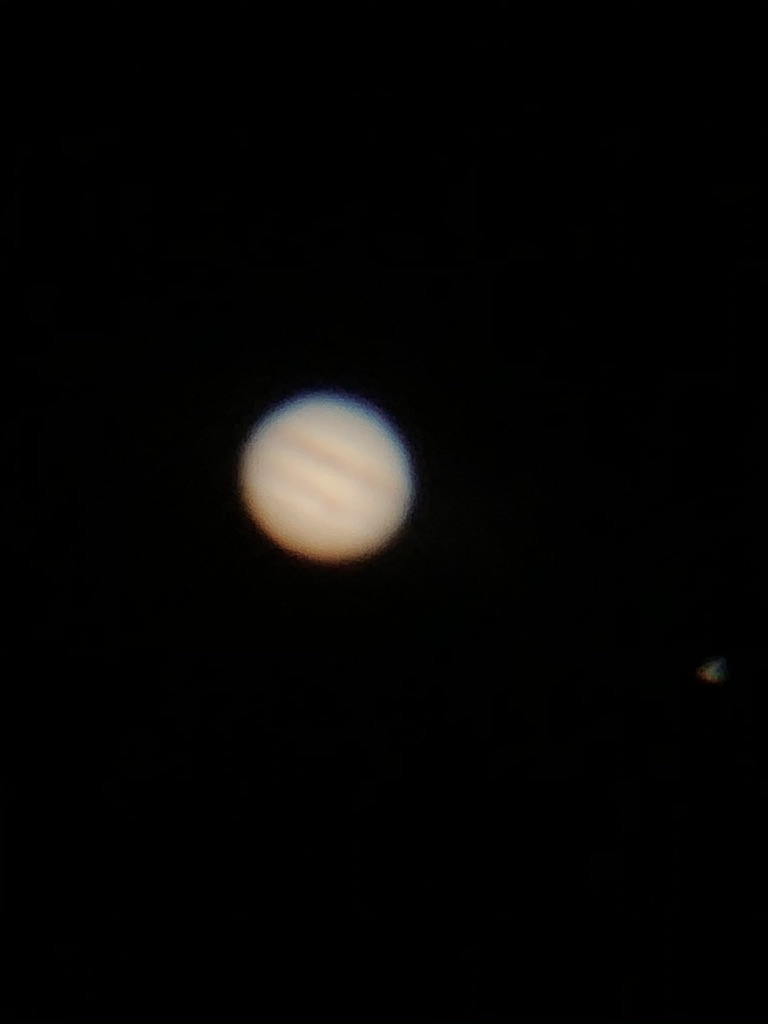
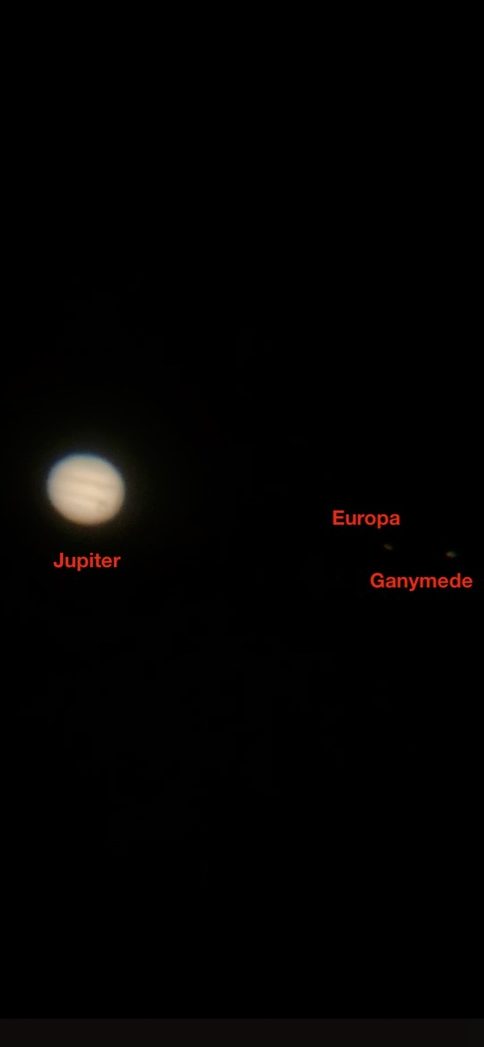
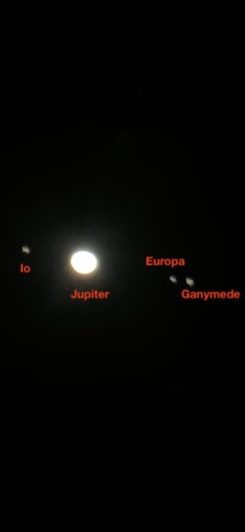
- Jupiter — including its famous bands and several of its Galilean moons (Io, Europa, Ganymede, and Callisto).
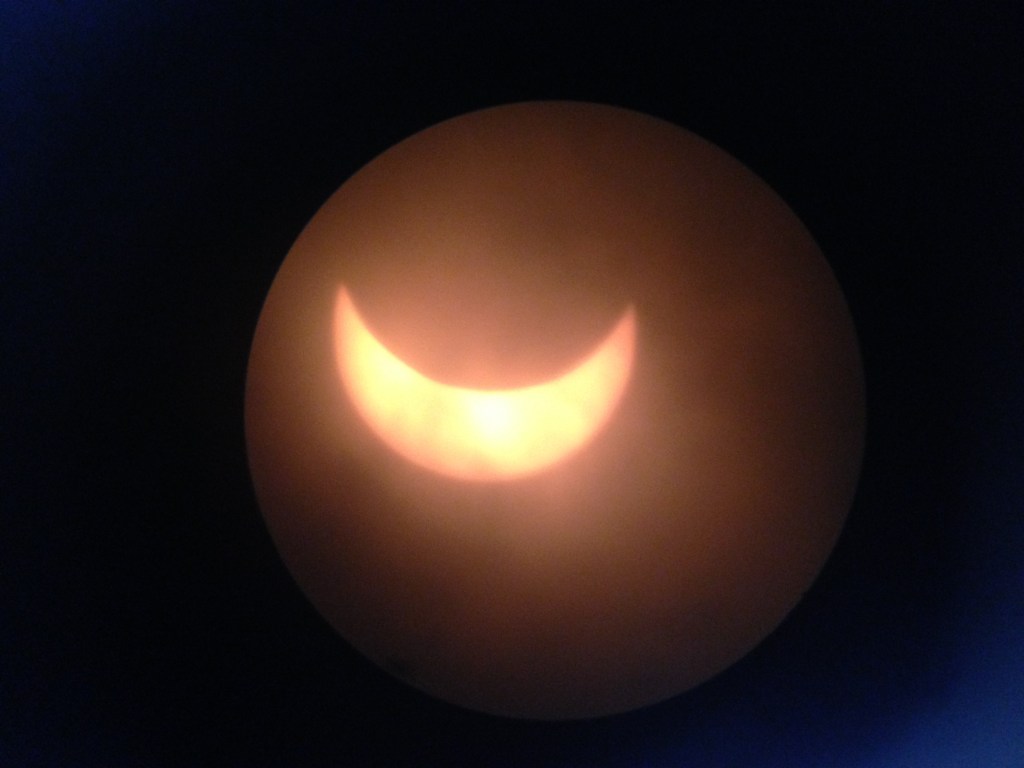
- A partial solar eclipse — photographed from Massachusetts back in 2018.
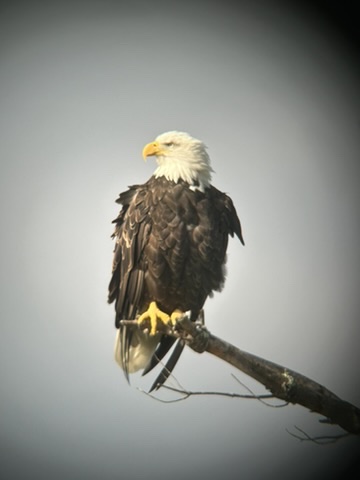
Recently, I even turned the telescope to a different kind of subject: wildlife. Using the same setup, I was able to photograph a bald eagle perched near the pond — a reminder of how versatile and rewarding this hobby can be.
Whether it’s planetary details millions of miles away or wildlife closer to home, astronomy and telescope photography have given me a unique way to explore both the night sky and the natural world around me.
 Ken Kalin