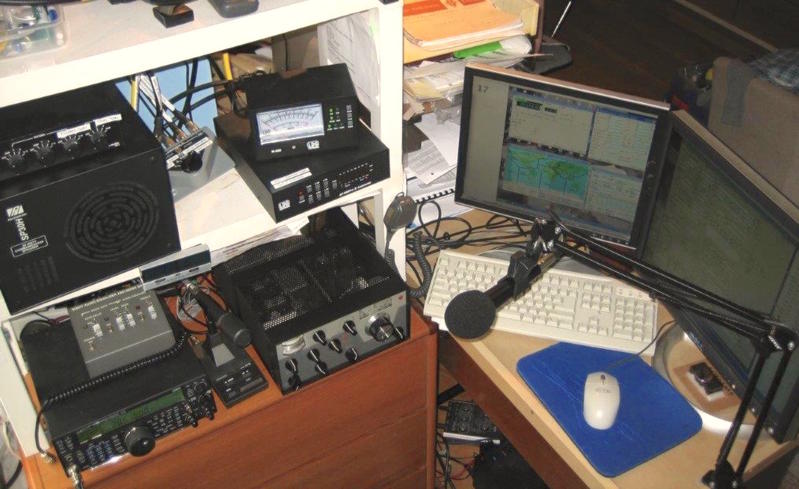
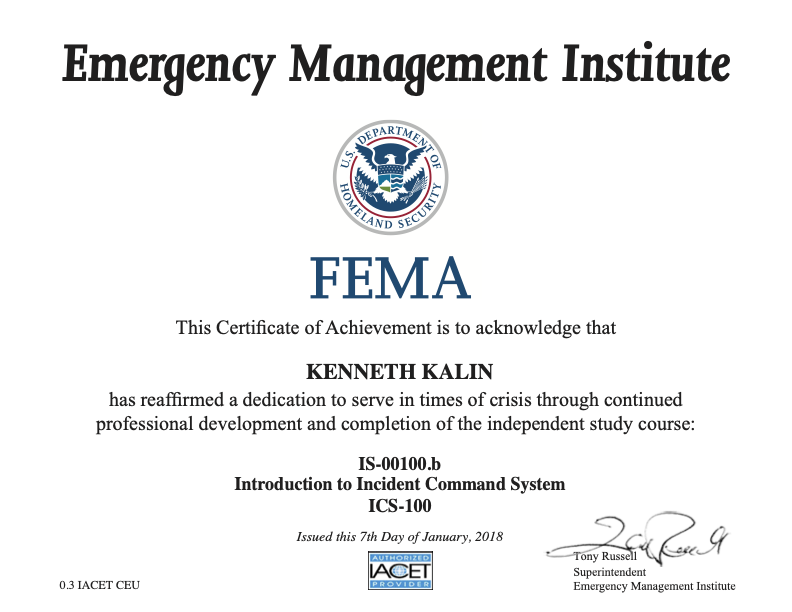
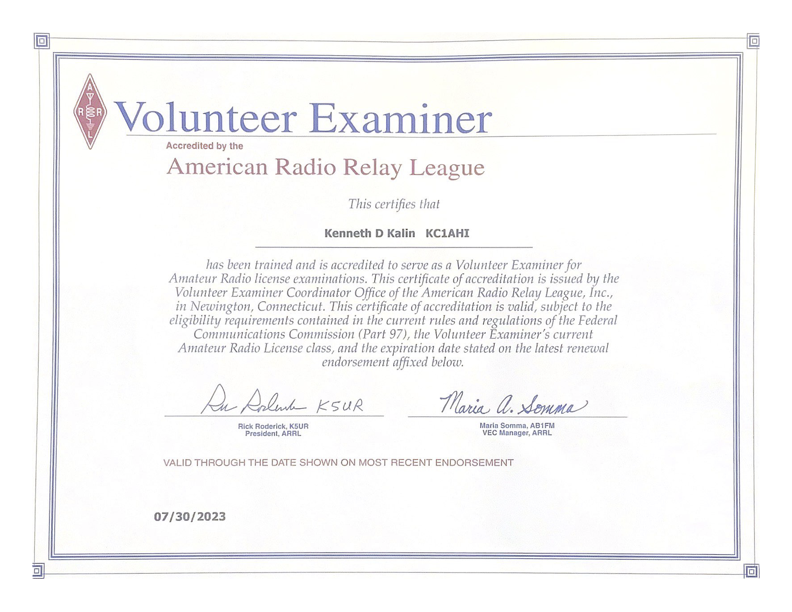
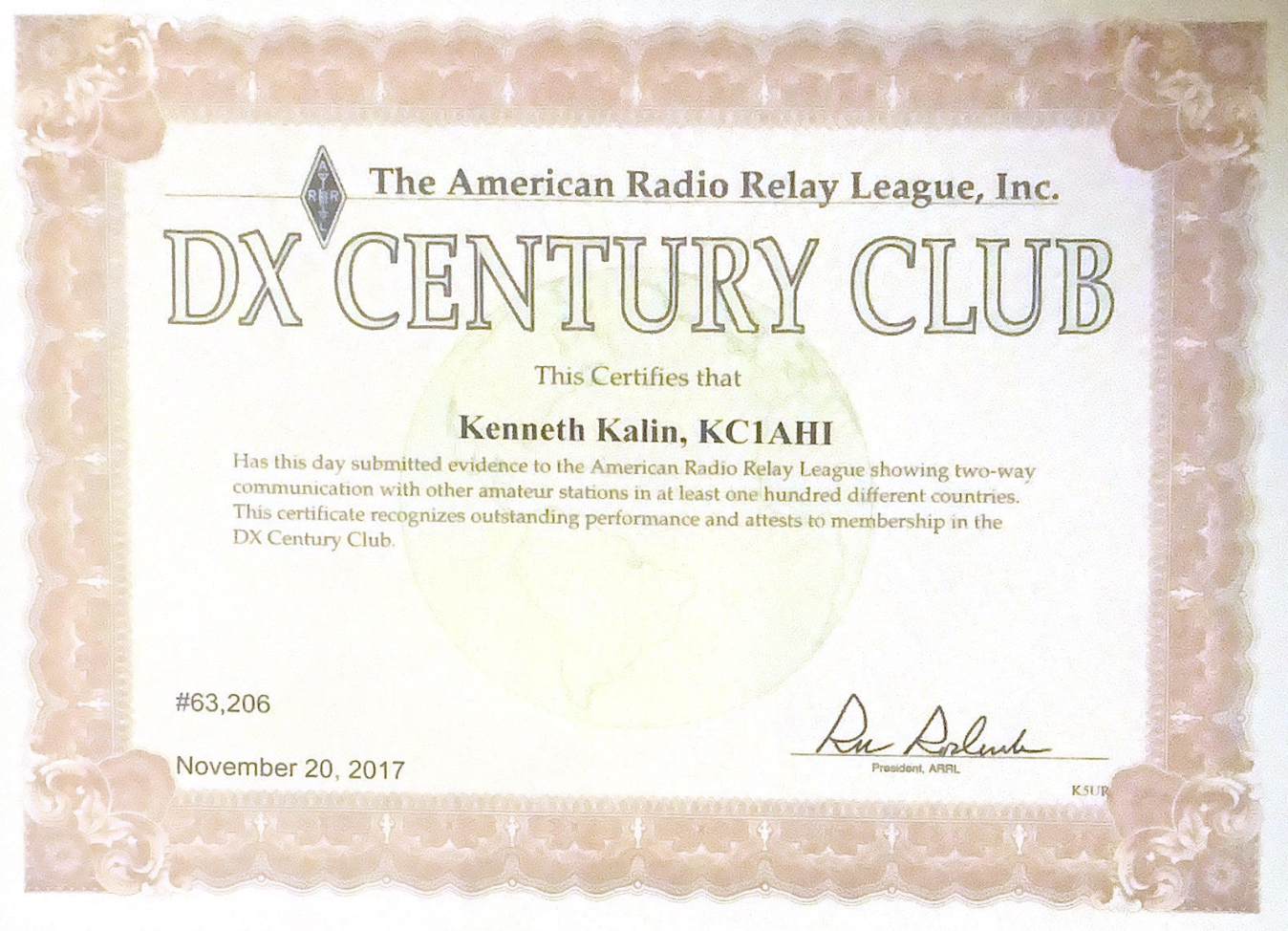
I have been an FCC licensed Amateur “Ham” Radio operator for over 10 years. Through the hobby, I have experimented with radio communications technology and spoken to radio operators in more than 120 countries and have been awarded the ARRL DXCC Award for confirming contacts with 100+ countries. I have volunteered as an ARES (Amateur Radio Emergency Service) volunteer. I am certified by FEMA through the ICS 100 Introduction to the Incident Command System. I am a certified ARRL Volunteer Examiner and have taught licensing courses and proctored official FCC licensing exams to help new operators obtain their licenses.
Link to QRZ (Ham Radio Blog) Page
Station:
Base HF Rigs: Kenwood TS-590S and Drake TR-4C w/ LDG AT600ProII autotuner
Portable HF Rig: Icom IC-718 w/ LDG AT100ProII autotuner
VHF/UHF HT: Yaseu FT 60R
Mobile Rig: Yaseu FT-7900r
Microphones: Kenwood MC-90 desk mic, Beyer dynamic M400 (Soundstar MkII) ribbon mic on boom
Outboard audio:W2IHY Dual-Band Equalizer
Power supplies: Astron RS-35M, Drake AC-4
Antennas:
80/40/20/15m: A multi-band 1/2-wave end-fed dipole (HyEndFed 5-Band, see http://www.hyendcompany.nl/),
at about 18 feet high
20m: A half-wave end-fed sloping dipole (upper end at 25 feet, lower end at about 10 feet).
17m: Use the 20m antenna with an external LDG tuner, or the AlphaAntenna vertical (see below)
10m: An Inverted-V in the attic (apex at about 35 feet)
2m: The “rubber duck” antenna on the HT, or a Comet 440/2m mag-mounted antenna for mobile
70cm: A 5-element yagi (Arrow Antenna) in the attic (up at about 35 feet), or the Comet 440/2m for mobile
Portable: AlphaAntenna 6-80m Portable Vertical (13′ whip) on a tripod (www.alphaantenna.com).
Also use this as a base antenna, atop a 20-foot telescoping mast mounted on 3rd-floor deck
(which gets the 13′ whip up about 40′ above ground)
 Ken Kalin
Leave a Reply